The Quiet Influence of Technology in Our Everyday Life
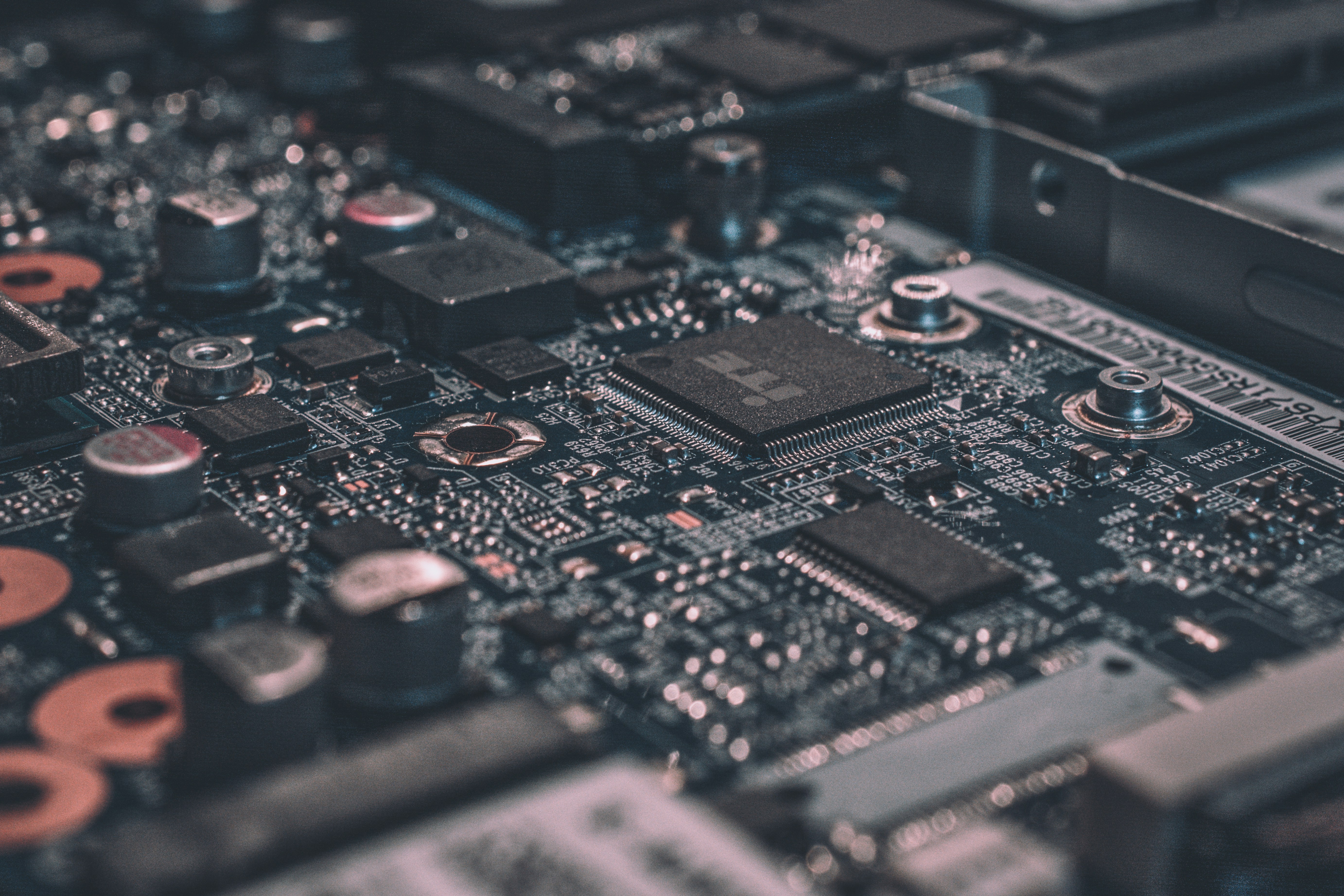
Technology has gradually woven itself into almost every aspect of modern life. From the moment we wake up to the moment we fall asleep, digital tools and connected devices shape how we communicate, work, learn, and relax. Yet much of this influence happens quietly. Unlike major technological revolutions of the past, today’s digital changes often occur subtly, becoming part of our routines before we fully notice their impact.
The smartphone in our pocket, the applications we use for communication, and the digital services that manage our daily activities have transformed the structure of everyday life. While these tools bring convenience and efficiency, they also influence how we think, focus, and interact with the world around us.
The Evolution of Daily Technology
Only a few decades ago, technology felt distant from daily routines. Computers were large machines used mainly in offices or laboratories. Communication relied on landline telephones and physical mail. Today, powerful computers exist in our pockets, and global communication happens instantly.
This rapid evolution has changed expectations. People now expect information immediately, responses quickly, and services to operate without delay. While this level of efficiency is impressive, it also reshapes how we approach time and attention.
Technology does not simply provide tools; it quietly adjusts the rhythm of daily life.
The Convenience of Digital Tools
One of the most visible benefits of technology is convenience. Tasks that once required significant effort can now be completed in seconds. Navigation apps guide travelers through unfamiliar cities. Online learning platforms make education accessible across the globe. Digital communication connects families and colleagues regardless of distance.
This convenience has opened opportunities that were once unimaginable. Small businesses can reach global audiences, creators can share ideas instantly, and individuals can learn new skills without leaving their homes.
However, convenience can also encourage overdependence. When every task becomes automated or simplified, people sometimes lose awareness of the underlying processes.
Technology and Human Attention
Another subtle influence of technology involves attention. Digital platforms are designed to capture and maintain user engagement. Notifications, alerts, and updates compete constantly for our focus.
While these features help people stay connected, they can also fragment concentration. Many individuals now switch rapidly between tasks, messages, and digital environments throughout the day.
Learning to manage attention within a digital world has become an essential modern skill. Turning off unnecessary notifications, creating focused work periods, and taking breaks from screens can help maintain mental clarity.
The Social Dimension of Digital Life
Technology has transformed how people build relationships and communities. Social media platforms allow individuals to connect with others who share similar interests, regardless of geographic distance.
This connectivity can create powerful communities of learning, creativity, and collaboration. People can exchange ideas, support one another, and participate in discussions that span continents.
At the same time, digital communication can sometimes replace face-to-face interaction. Balancing online engagement with real-world connection helps maintain meaningful relationships.
The Importance of Digital Awareness
As technology becomes more integrated into everyday routines, digital awareness becomes increasingly important. Understanding how tools influence behavior allows individuals to make more intentional choices about their digital habits.
This awareness does not require rejecting technology. Instead, it encourages thoughtful use. Technology works best when it supports human goals rather than dominating attention.
Finding Balance in a Connected World
Balance is key in a world shaped by digital tools. Technology offers extraordinary possibilities for learning, productivity, and creativity. Yet maintaining moments of quiet reflection and offline experience remains valuable.
Walking outdoors, reading physical books, or engaging in conversation without digital interruption helps restore focus and perspective.
By combining the advantages of technology with mindful habits, individuals can create a healthy relationship with the digital world.
Conclusion
The influence of technology on daily life continues to expand quietly and steadily. Devices and digital platforms have become tools that shape communication, productivity, and learning.
Recognizing this influence allows people to approach technology with awareness rather than passive acceptance. When used thoughtfully, technology can enhance life while still leaving space for reflection, creativity, and human connection.
Ultimately, the goal is not to resist technology but to guide how it fits into our lives. By understanding its quiet influence, we gain the ability to shape a digital environment that supports growth and balance.
In a connected world, awareness becomes the key to using technology wisely and meaningfully.
Comments
Post a Comment